|
|
ADA compliance consulting for property owners, attorneys, and design professionals3WStudio helps you find out where a property stands under the ADA and what it takes to fix it, through accessibility site surveys, plan review, and expert witness testimony. 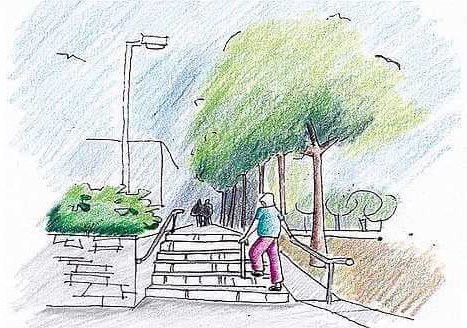
|
What we do
Accessibility site surveys
We visit your property, measure conditions against the 2010 ADA Standards, and give you a clear list of barriers and how to correct them. Useful before a purchase, after a complaint, or when planning upgrades.
Plan review
We review drawings for ADA, Fair Housing Act, and ICC A117.1 compliance before construction, when corrections cost the least.
Expert witness testimony
We work alongside attorneys on accessibility claims and construction disputes, with site investigation, reports, and testimony.
Our qualifications
- 30+ years in architecture and construction
- Licensed architect in Nevada, Texas, and Arizona
- ICC-certified Accessibility Inspector/Plans Examiner
- CSI Construction Documents Technologist
- Licensed general contractor in Nevada and Arizona
ADA questions and answers
Select a question to see the answer.
What are your qualifications to be an ADA consultant or expert witness?
Our lead expert, Ken Small, is an architect first licensed in 1985, with a Bachelor of Architecture from Texas Tech University, an NCARB certificate, and licenses in multiple states. He is an ICC-certified Accessibility Inspector/Plans Examiner and a licensed general contractor in Nevada and Arizona. Before 2011, he traveled the country training design professionals in accessibility compliance.
I received a complaint or demand letter alleging my business is not ADA compliant. What should I do?
We can visit your location, review conditions against the applicable accessibility standards, and give you a clear list of any deficiencies and how to correct them. We are not attorneys. If you intend to respond to or dispute the claim, we recommend involving an attorney, and we can work alongside your attorney as a consultant or expert witness.
I'm buying an existing commercial property. How can I protect myself from accessibility problems?
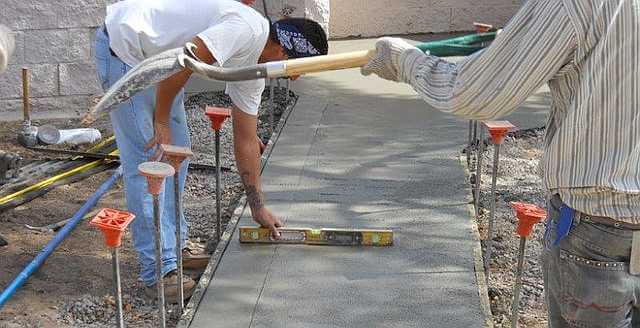
Commission an accessibility survey before closing. Our expert visits the property and documents deficiencies against the 2010 ADA Standards, and the report can include recommended corrections and cost estimates. Buyers often use these findings to negotiate a price reduction or require repairs before closing. No survey can guarantee you won't face a claim, but knowing and addressing problems early is the strongest position to be in.
Our building passed inspection. Doesn't that mean we comply with the ADA?
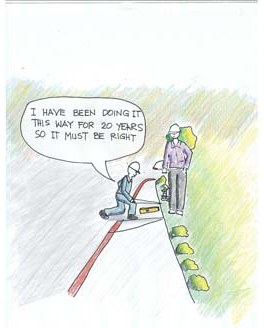
Not necessarily. Building departments enforce the building code, not the ADA, which is a federal civil rights law enforced through the Department of Justice and the courts. The building code's accessibility provisions and the ADA Standards overlap but are not identical, and items can be missed during plan review or inspection. A building that passed every inspection can still have ADA barriers.
Who is responsible for ADA compliance, the landlord or the tenant?
Both. Under the ADA's regulations for businesses open to the public, the landlord and the tenant are each responsible. A lease can divide who handles and pays for what, but that agreement doesn't limit either party's responsibility to the public. If you've received a complaint that's too vague to pinpoint, a survey of the building and tenant spaces will identify and prioritize the problems.
Which accessibility standards apply to my building?
New construction and alterations must meet the 2010 ADA Standards for Accessible Design, mandatory since March 15, 2012. Elements in existing buildings that complied with the earlier 1991 Standards generally don't need to be upgraded until they're altered. Your project must also meet the accessibility provisions of the locally adopted building code, and some projects have additional requirements, such as Section 504 for recipients of federal funding or the Fair Housing Act for multifamily housing.
My building hasn't been renovated in years. Do I still have obligations?
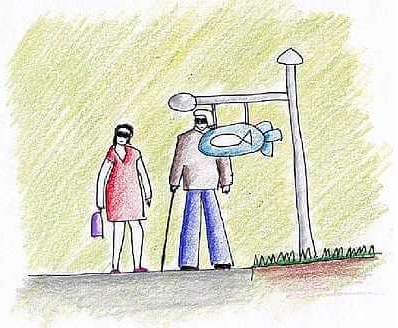
Yes. Businesses open to the public must remove barriers in existing facilities where doing so is "readily achievable," meaning easily accomplished without much difficulty or expense. Examples include restriping parking, adding a ramp, installing grab bars, or rearranging furniture to widen routes. This is an ongoing obligation measured against the business's resources, and a survey helps prioritize the work, starting with parking and the entrance.
We're remodeling. What is the "20% rule"?
When you alter an area where a primary function takes place, such as a sales floor, dining room, or office area, the path of travel to it, along with the restrooms, telephones, and drinking fountains serving it, must also be made accessible, unless the cost would exceed 20% of the alteration cost. If full compliance would exceed 20%, you must still spend up to that amount, in priority order: an accessible entrance, an accessible route to the altered area, accessible restrooms, telephones, drinking fountains, and then other elements such as parking. See our ADA 20% Rule overview (PDF).
If a business is sued under the ADA, can the plaintiff collect money damages?
Under the federal ADA, a private plaintiff suing a business can obtain a court order to remove barriers and recover attorney's fees, but not money damages; the Department of Justice can seek civil penalties in its own enforcement actions. Some state laws do allow damages. Correcting barriers promptly reduces your exposure, and an attorney can advise on your specific situation.
Does the ADA cover employment? (Title I)
Title I of the ADA prohibits employment discrimination against qualified individuals with disabilities by private employers with 15 or more employees, state and local governments, employment agencies, and labor unions. Employers must provide reasonable accommodations unless doing so would cause undue hardship. The ADA Amendments Act of 2008 significantly broadened how "disability" is interpreted, so older publications on this topic may be out of date. For employment questions, the EEOC's current guidance and the Job Accommodation Network are the best starting points. When an accommodation involves physical changes to the workplace, such as an accessible workstation, restroom, or route, we can help evaluate and design the modification.
This information is general and is not legal advice.
Talk to us about your property
Tell us what you're facing, whether it's a demand letter, a purchase, a remodel, or a case, and we'll tell you how we can help.
Call (702) 932-1719 customerservice@3wstudiollc.com Contact form